Grape variety
Riesling
雷司令léisīlìng
A German classic that pioneers are proving can thrive in China
- Type
- Grape variety
- Colour
- white
- Family
- The classics
- Origin
- Germany
- Synonyms
- Not to be confused with Welschriesling ('Italian Riesling', 贵人香), a different grape
- Literal meaning
- Phonetic transcription
Taste profile
Body
LightFullBody: 2 out of 5Tannin
LowHighTannin: 0 out of 5Acidity
LowHighAcidity: 5 out of 5Fruit
SubtleIntenseFruit: 3 out of 5
Aromas
- green apple
- citrus
- white flowers
- petrol
- white pepper
- Green and ripe apple
- citrus and white flowers; with age
- mineral and petrol notes.
Sweetness · from dry to off-dry
Lime and green apple, white peach and flowers, with bright, mouth-watering acidity.
Riesling, the great white grape of Germany, is still rare in China, but a few determined producers have shown that it can do well in the right sites. Its Chinese name, 雷司令, is simply a phonetic transcription. It is often confused with 贵人香, 'Italian Riesling', which is in fact Welschriesling, an unrelated grape widely planted in China.
Two Rieslings
On Chinese labels you may meet two different grapes. 雷司令 (léisīlìng) is the true Riesling from Germany, grown in cooler sites and making fresh, aromatic whites; Kanaan in Ningxia is one of its notable producers. 贵人香 (guìrénxiāng), literally "noble fragrance", is Welschriesling, often called "Italian Riesling": an unrelated grape, widely planted in China and among the best performers of cool Gansu.
Why it matters
Riesling's high acidity and aromatic freshness make it one of the best partners for Chinese cuisine, especially spicy and sweet-sour dishes.
History in China
In Ningxia, Riesling was long considered impossible because of the hot, dry summers. Wang Fang of Kanaan Winery, inspired by her twelve years in Germany, set out to prove otherwise, and her Riesling is now one of the estate's signature wines. In Hebei, Canaan Winery's cooler, windier vineyards in Huailai give a Riesling with mineral and petrol notes. Riesling is also grown in Shandong.
Growing
Riesling needs cool conditions to keep its high acidity and aromatic precision. In China it does best in cooler sites: Professor Li Demei notes that early-ripening grapes such as Riesling can show warm-climate characters in Ningxia, so site selection is crucial. Huailai's altitude, wind and nearby reservoir help retain acidity.
Where it grows
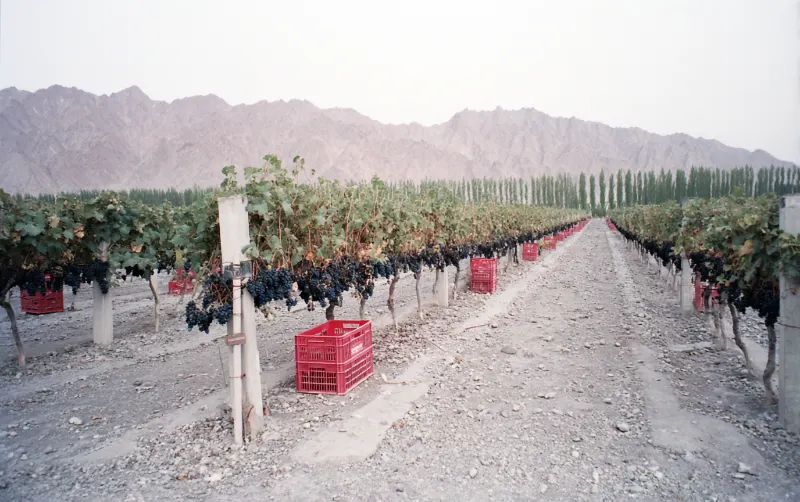
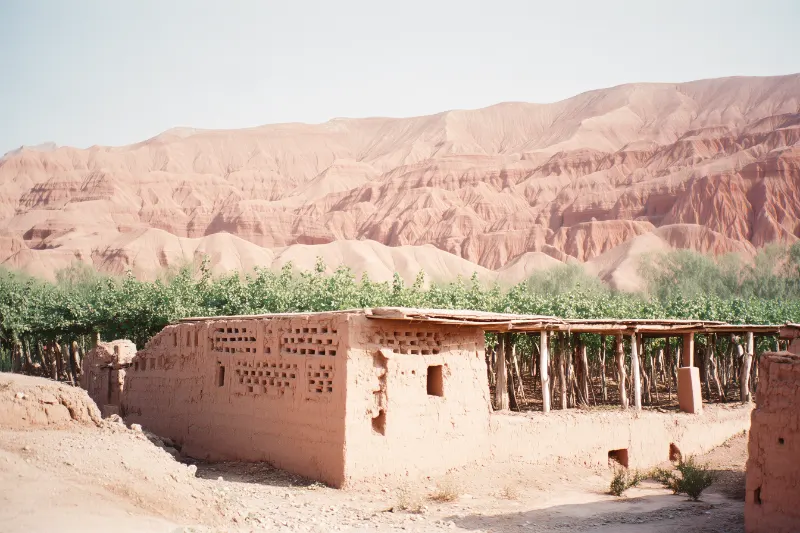
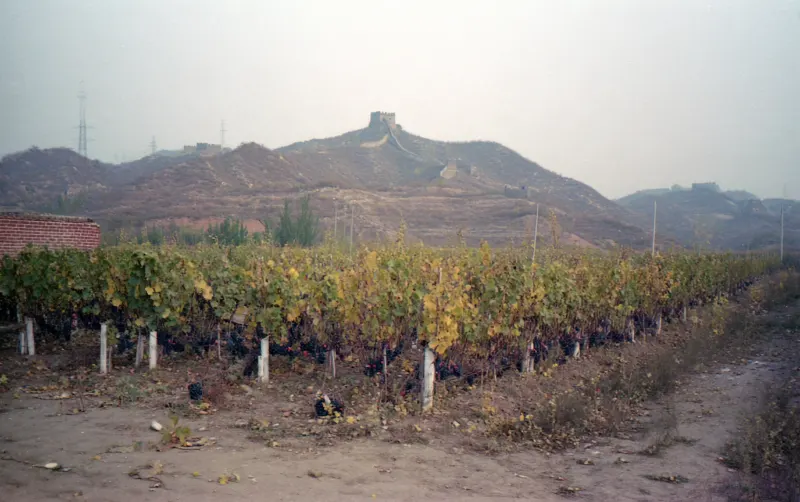
Producers known for it
Hebei
Canaan Winery
诗百篇
A world-class wine estate built from scratch, 80 km from Beijing
Shandong
Changyu
张裕
China's first modern winery, founded in 1892, and still its largest wine company
Hebei
Chateau Sungod
长城桑干酒庄
Great Wall's historic estate in Huailai, where China's modern wine research began
Gansu
Guofeng
国风庄园
A large Hexi Corridor estate in Zhangye, on the old Silk Road
Shandong
Huadong Parry Winery
华东
The Qingdao winery founded by Englishman Michael Parry, a pioneer of Chinese Chardonnay and Riesling
Ningxia
Kanaan Winery
迦南美地
The "crazy" idea that became one of Ningxia's top estates
Xinjiang
Puchang Vineyard
蒲昌
A Turpan estate famous for Georgian grapes: Rkatsiteli and Saperavi
Gansu
Qilian Wine Company
祁连
A Zhangye winery in the Hexi Corridor, known for Italian Riesling ice wine
Xinjiang
Silk Road Winery
A Yili Valley estate near the Kazakhstan border, known for fresh whites and Riesling
Pairs with
Food pairings
- Its high acidity and fruit suit spicy and aromatic Chinese dishes, dumplings, and steamed fish with ginger and spring onion.
Sources
- Let's go 'Crazy'! 2011 to 2019 Kanaan vertical tasting — Grape Wall of China, 2025
- The best wineries in Ningxia — WildChina
- Beyond Ningxia: Why Hebei deserves a closer look for Chinese wine — Vino Joy News, 2026
- Ningxia: China's rapidly emerging fine wine region — Decanter, 2024
Similar ingredients
马瑟兰
RED
Marselan
A French grape that may become China's signature
蛇龙珠
RED
Cabernet Gernischt
China's mystery grape, revealed by DNA to be Carmenère
小芒森
WHITE
Petit Manseng
A French white turning into one of China's most exciting wines
赤霞珠
RED
Cabernet Sauvignon
China's most planted red grape and the backbone of its best reds
美乐
RED
Merlot
The soft partner of Cabernet in China's Bordeaux-style blends
霞多丽
WHITE
Chardonnay
China's leading white grape, for still and sparkling wines