Grape variety
Cabernet Gernischt
蛇龙珠shélóngzhū
China's mystery grape, revealed by DNA to be Carmenère
- Type
- Grape variety
- Colour
- red
- Family
- China's signatures
- Origin
- Bordeaux, France (identical to Carmenère)
- In China since
- 1892
- Synonyms
- Carmenère; Cabernet Shelongzhu
- Literal meaning
- Snake dragon pearl
Taste profile
Body
LightFullBody: 3 out of 5Tannin
LowHighTannin: 3 out of 5Acidity
LowHighAcidity: 3 out of 5Fruit
SubtleIntenseFruit: 3 out of 5
Aromas
- blackberry
- green bell pepper
- herbs
- black pepper
- Black and red berries with herbal
- green pepper notes.
Sweetness · dry
Red and black fruit with a spicy, herbal character: green pepper, black pepper, dried herbs. Medium body, fresh finish.
Cabernet Gernischt is one of the most important red grapes in Chinese wine history and a long-standing mystery. Brought to Yantai by Changyu soon after its founding in 1892, it was believed for decades to be Cabernet Franc or a lost European variety. DNA profiling finally showed that it is Carmenère, the old Bordeaux grape that today survives mainly in Chile. Its Chinese name, 蛇龙珠, means 'snake dragon pearl'.
A grape with a secret
When Changyu founded modern Chinese winemaking in Yantai in 1892, vines arrived from Europe. One of them became known as Cabernet Gernischt, and for about a century it was treated as a variety of its own. Modern DNA studies then linked it to Carmenère, a nearly forgotten Bordeaux grape.
A familiar story
Chile lived the same adventure: for decades, its Carmenère was mistaken for Merlot. Today it is Chile's signature grape. Cabernet Gernischt is China's own version of that story.
Today
It is China's third most planted red grape and a speciality of Shandong. Some Ningxia estates, including Silver Heights, have used it in their blends.
History in China
Cabernet Gernischt was among the international varieties brought to China by Changyu's founder, Zhang Bishi, in the years after 1892. Its name is probably a misreading of 'Cabernet gemischt', German for 'mixed Cabernet', a label that may have referred to a mixed batch of cuttings. Over the decades it was described as Cabernet Franc, as a cross of Cabernet Sauvignon and Cabernet Franc, or as an extinct European grape, and some Chinese studies supported the Cabernet Franc theory.
The mystery was solved when the Swiss grape geneticist José Vouillamoz analysed samples from Changyu: Cabernet Gernischt is identical to Carmenère. That explains the green, herbal notes typical of the grape, also found in Chilean Carmenère.
Changyu first bottled it in 1931 as Noble Dragon, still one of China's best-known wines, and in 2016 the company launched a World Cabernet Gernischt Day.
Growing
The variety is grown mainly in Shandong and Ningxia. It is often blended with Cabernet Sauvignon and Merlot: Helan Qingxue's Jia Bei Lan 2009, which won China's first top international trophy in 2011, contained 5% Cabernet Gernischt.
Where it grows
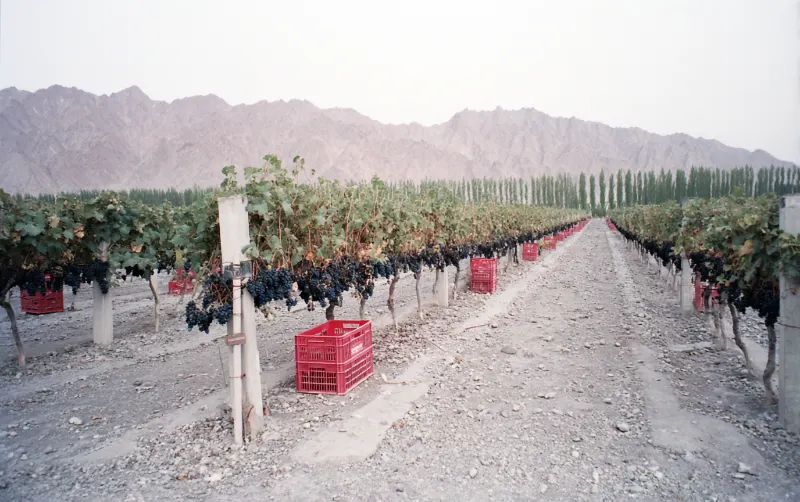
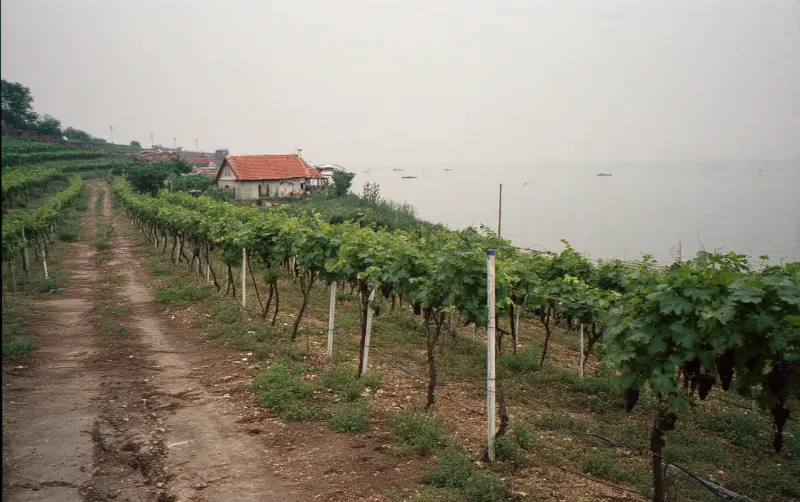
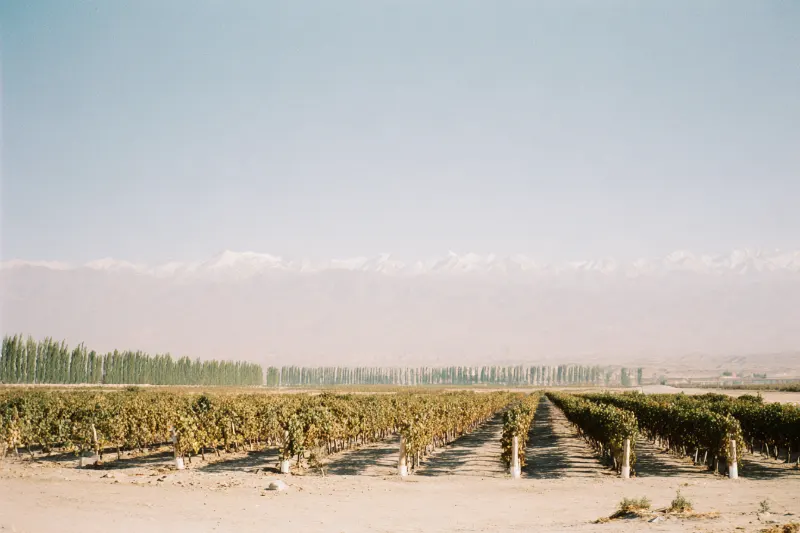
Producers known for it
Shandong
Changyu
张裕
China's first modern winery, founded in 1892, and still its largest wine company
Ningxia
Chateau Hedong
贺东庄园
One of Ningxia’s oldest estates, with vines more than a century old
Ningxia
Xige Estate
西鸽酒庄
One of China's largest and fastest-growing fine-wine estates, a champion of Cabernet Gernischt
Ningxia
Helan Qingxue
贺兰晴雪
The boutique estate whose 2011 trophy put Chinese wine on the world map
Pairs with
Food pairings
- Its herbal notes and soft tannins suit red-braised pork belly and other slow-cooked, soy-based dishes, as well as roast meats with peppers.
Sources
- What's the deal with China's Cabernet Gernischt? — Grape Wall of China, 2013
- Raising a glass to Cabernet Gernischt — The Drinks Business, 2016
- Chinese wine wins top honour at Decanter World Wine Awards — Decanter, 2011
Similar ingredients
马瑟兰
RED
Marselan
A French grape that may become China's signature
小芒森
WHITE
Petit Manseng
A French white turning into one of China's most exciting wines
赤霞珠
RED
Cabernet Sauvignon
China's most planted red grape and the backbone of its best reds
美乐
RED
Merlot
The soft partner of Cabernet in China's Bordeaux-style blends
霞多丽
WHITE
Chardonnay
China's leading white grape, for still and sparkling wines
雷司令
WHITE
Riesling
A German classic that pioneers are proving can thrive in China