Grape variety
Welschriesling
贵人香guìrénxiāng
China's 'noble fragrance': the white grape known as Italian Riesling, here since 1892
- Type
- Grape variety
- Colour
- white
- Family
- Other whites
- Origin
- Central Europe; its exact origin is debated, possibly Croatia
- In China since
- 1892
- Synonyms
- Italian Riesling, Riesling Italico, Graševina, Olaszrizling, Laški Rizling
- Literal meaning
- 'Noble fragrance'
Taste profile
Body
LightFullBody: 2 out of 5Acidity
LowHighAcidity: 4 out of 5Fruit
SubtleIntenseFruit: 3 out of 5
Aromas
- green apple
- lemon
- pear
- white flowers
- almond
- Green apple
- citrus and pear
- with white flowers and a light almond note.
Sweetness · dry to sweet
Welschriesling, called Italian Riesling in China and 贵人香, 'noble fragrance', in Chinese, is one of the country's most widely planted white grapes, with an estimated 3,000 to 4,000 hectares. Despite its name it is not related to the true Riesling of Germany. It arrived in China in 1892, and today it is considered one of the top performers of Gansu's Hexi Corridor, making fresh dry whites as well as sweet wines.
The other Riesling
Welschriesling is a white grape grown across Central and South-East Europe under many names: Graševina in Croatia, Olaszrizling in Hungary, Laški Rizling in Slovenia, Riesling Italico in Italy. Despite the name, it has no relation to the great Riesling of the Rhine and the Mosel. Long seen as a simple, everyday grape, it is now being rediscovered in Europe for its freshness and versatility.
A long history in China
Welschriesling has been in China since the very beginning of its modern wine industry: according to Decanter, it arrived in 1892, when an Austro-Hungarian consul was invited to work as a winemaker. Today China has an estimated 3,000 to 4,000 hectares, making it one of the most important white grapes in the country.
Not the same as Riesling
In China the grape is usually labelled 'Italian Riesling', and this can be confusing. Decanter China has noted that most of the 'Riesling' grown in Ningxia is in fact Welschriesling. True Riesling is a different and much rarer variety in China, grown by a few estates such as Kanaan.
Where it shines
In Gansu's Hexi Corridor, Welschriesling is considered one of the region's best grapes, together with Pinot Noir, and a comparative study of Gansu vineyards found it particularly suited to Jiayuguan. It is also grown in Ningxia, where Chateau Changyu Moser XV makes an Italian Riesling, and in the Yanqi Basin of Xinjiang, at Tiansai Vineyards. Styles range from crisp dry whites to sweet late-harvest wines.
History in China
Welschriesling is one of the oldest European grapes in modern Chinese viticulture. According to Decanter, it first arrived in China in 1892, the year Changyu was founded in Yantai, when an Austro-Hungarian consul was invited to be a winemaker. Its Chinese name, 贵人香 (guìrénxiāng), means 'noble fragrance'.
As the modern wine industry grew from the 1980s, Welschriesling became one of the main white grapes in China's northern and western regions, and plantings are now estimated at 3,000 to 4,000 hectares.
Growing
Welschriesling ripens late and keeps high natural acidity, which helps it produce fresh wines even in warm, sunny regions. In China it does particularly well in the cool, dry oases of Gansu's Hexi Corridor, irrigated by snowmelt from the Qilian Mountains, and in the deserts of Ningxia and Xinjiang. In northern China the vines are buried in winter.
Where it grows
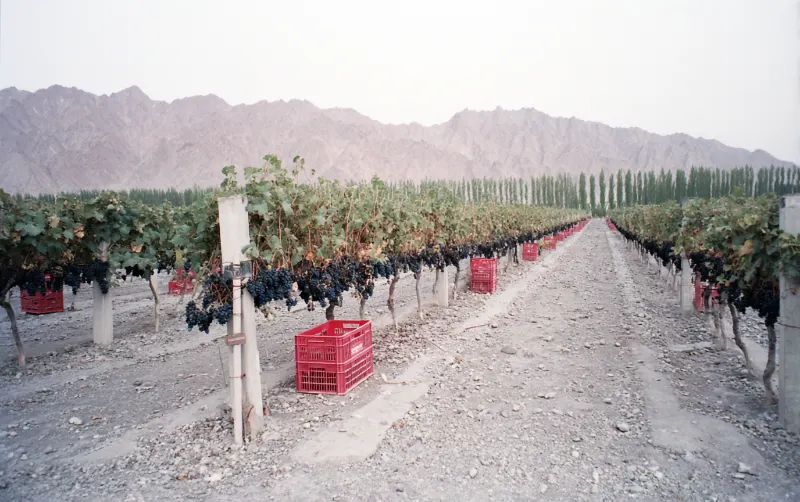
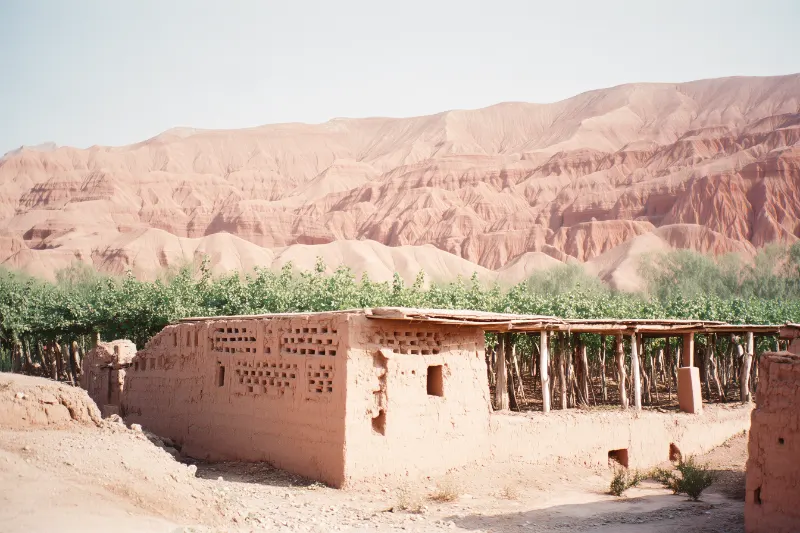
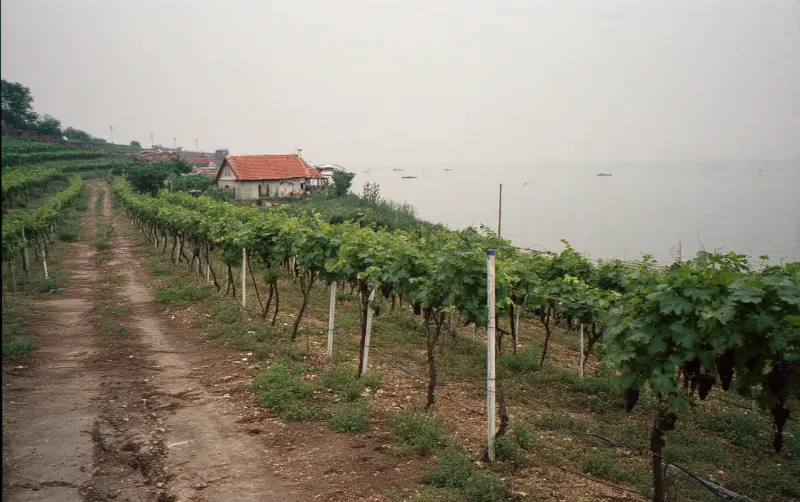
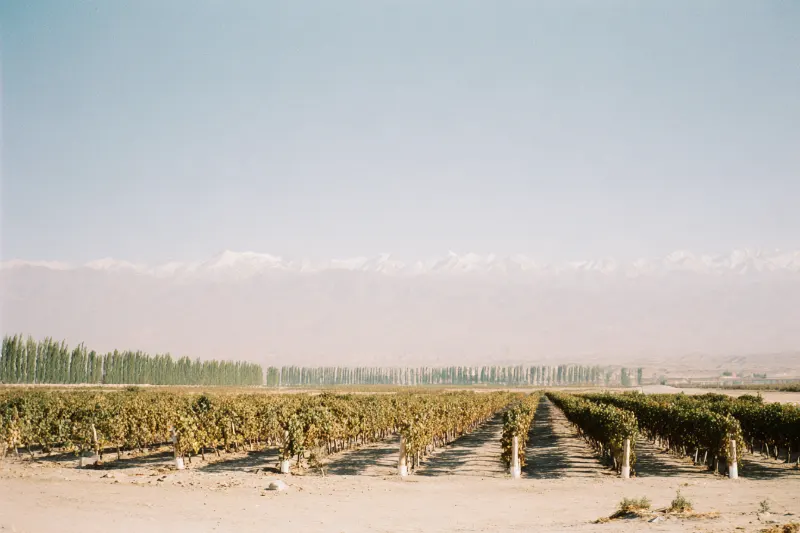
Producers known for it
Gansu
Guofeng
国风庄园
A large Hexi Corridor estate in Zhangye, on the old Silk Road
Shandong
Huadong Parry Winery
华东
The Qingdao winery founded by Englishman Michael Parry, a pioneer of Chinese Chardonnay and Riesling
Gansu
Qilian Wine Company
祁连
A Zhangye winery in the Hexi Corridor, known for Italian Riesling ice wine
Ningxia
Chateau Changyu Moser XV
张裕摩塞尔十五世酒庄
China's oldest wine company meets Austrian wine tradition in Ningxia
Xinjiang
Tiansai Vineyards
天塞酒庄
An organic oasis in the Gobi, named after a camera lens
Food pairings
- Dumplings with pork and cabbage.
- Steamed fish with ginger and spring onion.
- Sweet styles with mooncakes and fruit desserts.
Sources
- The mystery of the golden grape variety at the heart of Europe — Decanter
- Welschriesling: revealing its potential — Decanter
- China – Around the wine regions — Decanter, 2024
- Decanter's visit to Ningxia: Kanaan Winery, Riesling 2015 — Decanter China
- Chemical composition and antioxidant capacity of the main wine grape varieties cultivated in the corridor area of Gansu Province — Food Science and Technology (SciELO)
- Chateau Changyu Moser XV: Best of China — Nikos Weinwelten
- Wynn Signature Chinese Wine Awards winning winery: Tiansai Vineyards — Wynn Signature Chinese Wine Awards
Similar ingredients
马瑟兰
RED
Marselan
A French grape that may become China's signature
蛇龙珠
RED
Cabernet Gernischt
China's mystery grape, revealed by DNA to be Carmenère
小芒森
WHITE
Petit Manseng
A French white turning into one of China's most exciting wines
赤霞珠
RED
Cabernet Sauvignon
China's most planted red grape and the backbone of its best reds
美乐
RED
Merlot
The soft partner of Cabernet in China's Bordeaux-style blends
霞多丽
WHITE
Chardonnay
China's leading white grape, for still and sparkling wines