Grape variety
Muscat Hamburg
玫瑰香méiguixiāng
'Rose fragrance': the perfumed grape that China eats, and drinks
- Type
- Grape variety
- Colour
- red
- Family
- Ancient and heritage
- Origin
- England, 19th century: a cross of Trollinger (Schiava Grossa) and Muscat of Alexandria
- Synonyms
- Black Muscat, Moscato di Amburgo
- Literal meaning
- 'Rose fragrance'
Taste profile
Body
LightFullBody: 2 out of 5Tannin
LowHighTannin: 1 out of 5Acidity
LowHighAcidity: 3 out of 5Fruit
SubtleIntenseFruit: 5 out of 5
Aromas
- rose
- grape
- lychee
- orange blossom
- Intensely grapey and floral: rose petals
- lychee and orange blossom.
Sweetness · often off-dry or sweet
Muscat Hamburg is a black Muscat grape, intensely perfumed. In China it is called 玫瑰香, 'rose fragrance', and it is one of the country's best-known grapes: sold in markets as a table grape and made into fragrant white, rosé and sweet wines. In Xinjiang, Chateau Tianyu's rosé from Muscat Hamburg won a medal at the Decanter World Wine Awards.
A grape that smells of roses
Muscat Hamburg was bred in 19th-century England, from a cross of the black table grape Trollinger and Muscat of Alexandria. It has dark skins and the unmistakable perfume of all Muscats: grapes, roses, orange blossom.
China's 'rose fragrance'
The Chinese name says it all: 玫瑰香, 'rose fragrance'. It is one of the most familiar grapes in China, eaten fresh in late summer and also made into wine. For many Chinese drinkers of past generations, the sweet, perfumed wines made from it were their first taste of grape wine.
In the glass
Today it is used for fragrant dry and off-dry whites, rosés and sweet wines. In Yanqi, Xinjiang, Chateau Tianyu's rosé from Muscat Hamburg won a Bronze medal at the 2017 Decanter World Wine Awards, praised for its clean, typical Muscat nose and fine aromatic palate.
What to expect
Light body, intense floral and grapey aromas, and often a touch of sweetness.
History in China
Muscat Hamburg is among the European grapes that arrived in China in the late 19th and early 20th centuries, when wineries such as Changyu imported more than a hundred varieties from Europe. It adapted well and spread widely, becoming both a popular table grape and a base for sweet and aromatic wines.
Growing
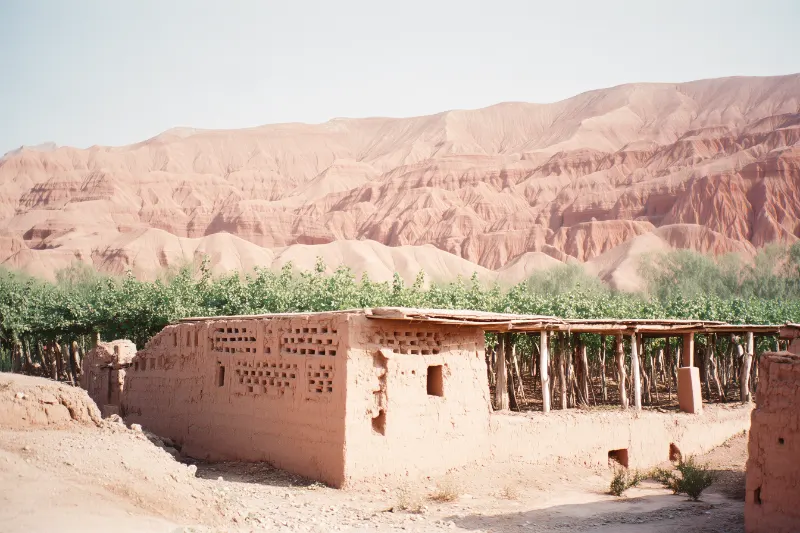
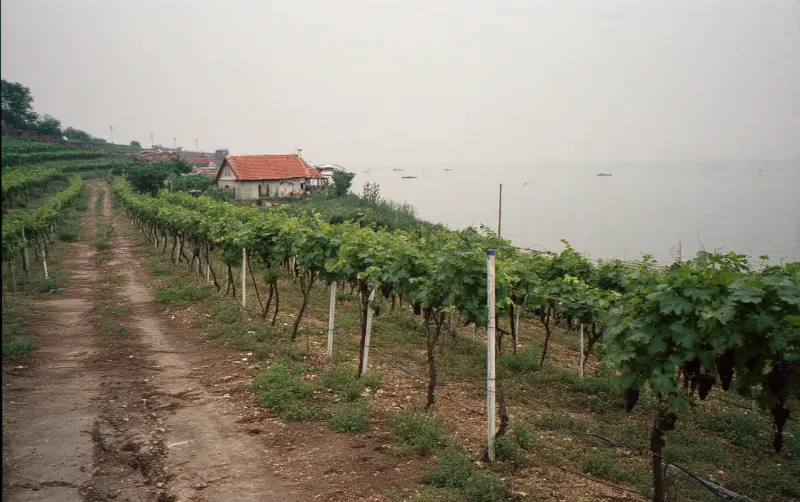
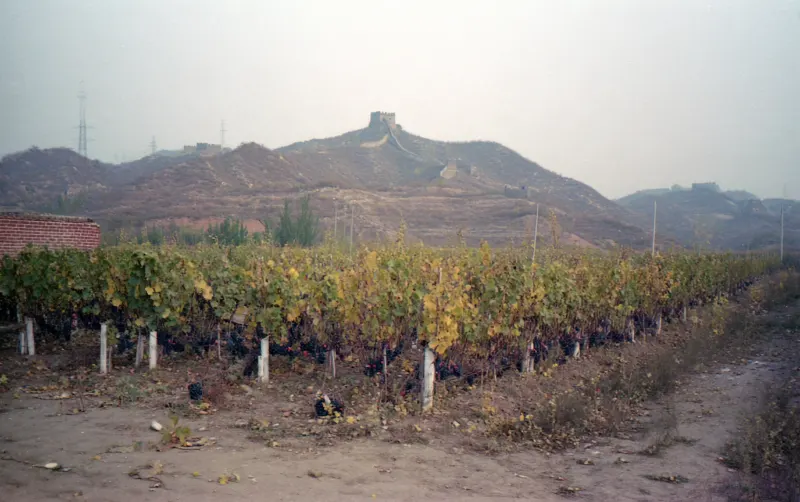
Muscat Hamburg is vigorous and productive and adapts to many climates. In China it is grown from the coast of Shandong and Hebei to the oases of Xinjiang, where heat and sunshine concentrate its aromas.
Where it grows
Food pairings
- Fruit desserts and mooncakes.
- Spicy Sichuan and Hunan dishes, for off-dry styles.
- As a chilled aperitif.
Sources
- Chateau Tianyu, Rosé Muscat of Hamburg 2015 (DWWA Bronze) — Decanter China, 2017
- China's first wine company — Changyu (official website)
Similar ingredients
马瑟兰
RED
Marselan
A French grape that may become China's signature
蛇龙珠
RED
Cabernet Gernischt
China's mystery grape, revealed by DNA to be Carmenère
小芒森
WHITE
Petit Manseng
A French white turning into one of China's most exciting wines
赤霞珠
RED
Cabernet Sauvignon
China's most planted red grape and the backbone of its best reds
美乐
RED
Merlot
The soft partner of Cabernet in China's Bordeaux-style blends
霞多丽
WHITE
Chardonnay
China's leading white grape, for still and sparkling wines