interview · shanxi & ningxia
“We actually make wine in China too”
Judy Chan of Grace Vineyard
Founded in 1997, when quality wine in China was still very new, Grace Vineyard is one of the pioneers of modern Chinese wine. Founder Mr C.K. Chan's daughter, Judy Chan, joined the winery at the end of 2002 and is now its Chairlady. As Grace approaches its 30th anniversary, she talks about burying vines in winter, Shanxi noodles, whisky barrels and what she hopes Europe will discover.
The story
Grace Vineyard was founded in 1997, when quality wine in China was still very new. What was the original vision, and how has it changed over the years?
It's so different now. Back in the day, anything we wanted, we didn't have. There were no winemakers; no one knew anything about wine. Anything we needed wasn't available: everything had to be imported, from barrels to bottles, capsules and corks. Back then there were probably 20 wineries in China. Now I think there are at least 1,000 brands. So many people who studied overseas came back to make wine, and winemakers and people with wine experience are pretty common in China now. It's a huge change.
Who are the people behind Grace today, and what does the family mean for the winery's identity?
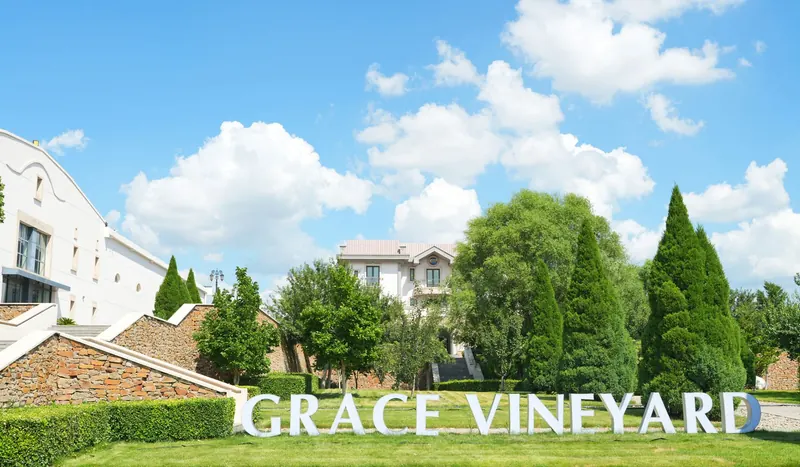
We are still the people behind Grace: I personally still own Grace Vineyard, and family remains central to the winery's identity. But next year Grace turns 30, and I would much rather Grace be the brand than me always being the face. It's still a family story, though.
The place
What makes your vineyards in Shanxi special: soil, altitude, climate? How do they shape the style of your wines?
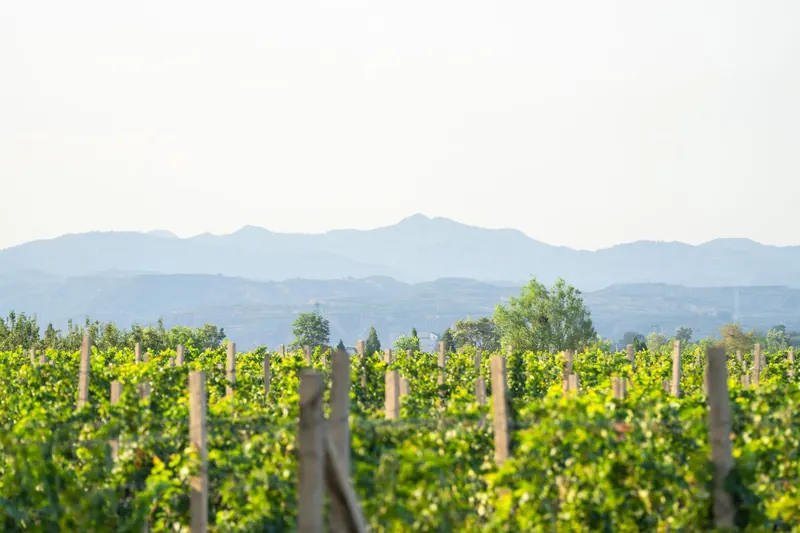
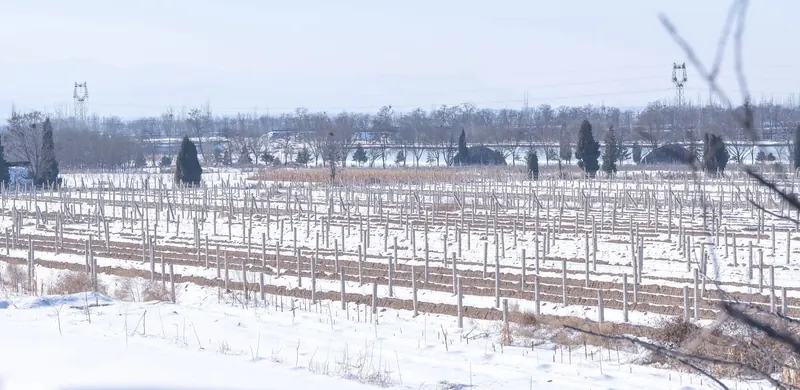
It's the soil and the climate. We are about 850–970 metres above sea level, and our wines tend to have very soft tannins. We make Aglianico, for example, and compared to the Italian ones ours are quite soft in tannin. We also have to bury the vines in winter, which limits our growing season: we unearth them in April and bury them again before the end of October. That also affects the way we prune and how close together the vines are planted.
Do you also work with vineyards in other regions of China? How do they differ?
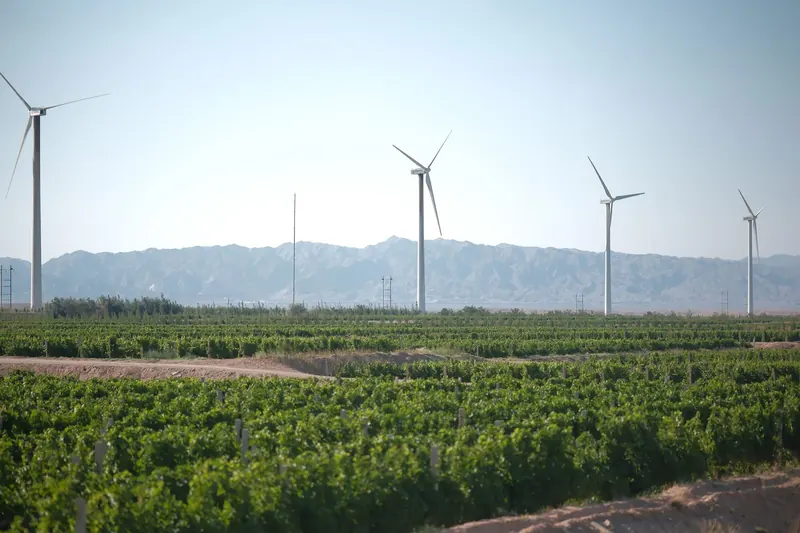
We have two vineyards, one in Shanxi and one in Ningxia, and the cuttings are exactly the same: we brought our cuttings from Shanxi to Ningxia. Yet even with the same cuttings, you can tell the difference. The style is quite different: Ningxia is more robust, Shanxi more elegant.
The wines
Which wine best represents Grace Vineyard, and why?
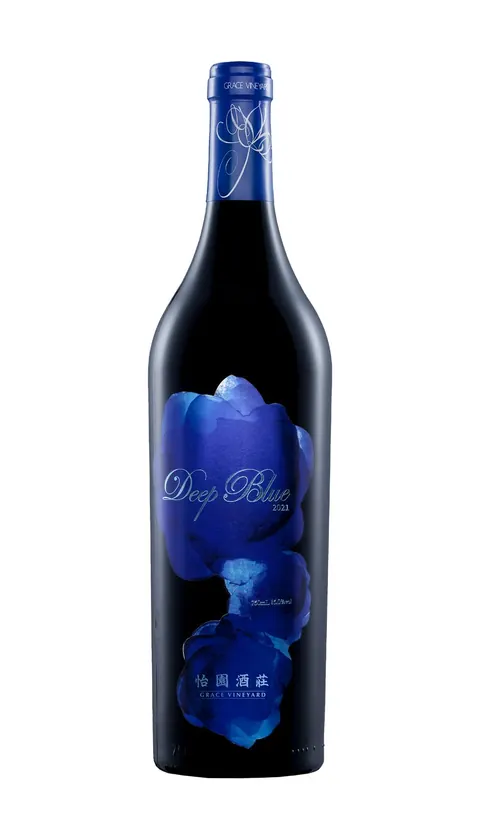
Deep Blue. It's very recognisable because the label is so blue, and the name is Deep Blue. It's a Bordeaux blend. I have met people who know Deep Blue but have never heard of Grace Vineyard.
Which grape varieties do you believe have the brightest future in Shanxi? Do you work with Marselan or other varieties that are becoming typical of China?
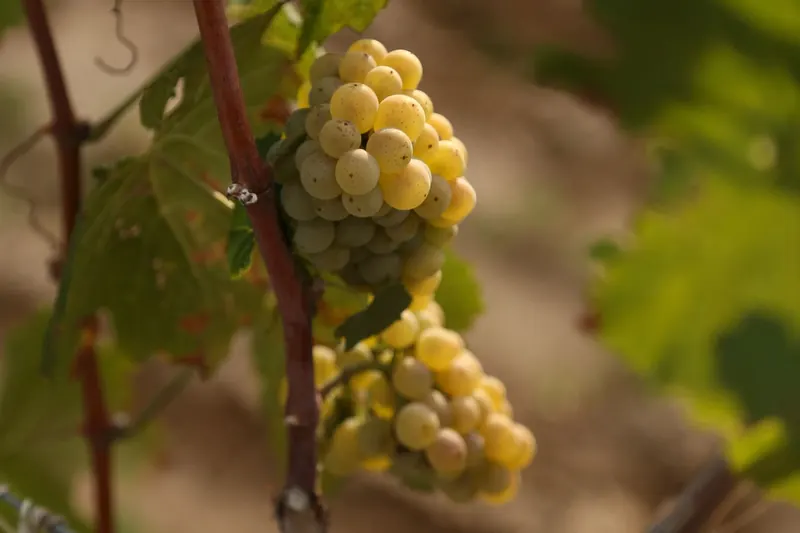
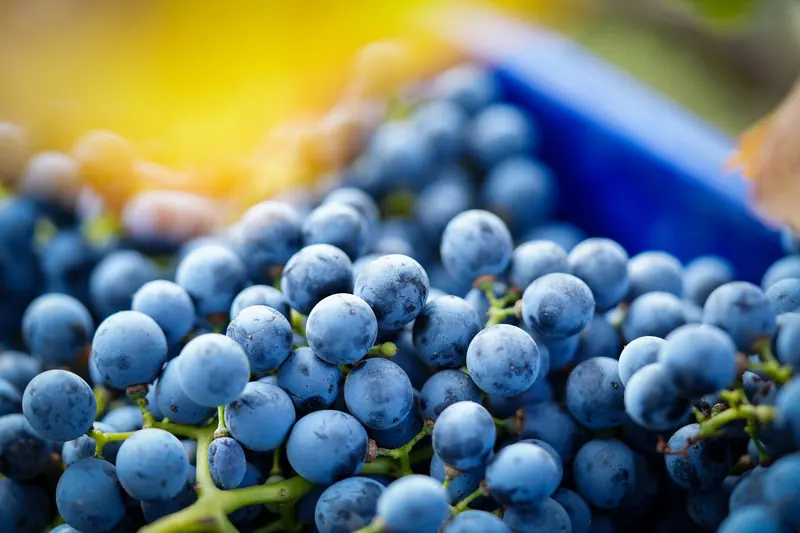
I think Chardonnay is still a very good variety for Shanxi. It's very elegant: the fruit is very clean and the acidity is nice. We also work with Marselan: our wine won a Bronze medal at the 2024 Decanter World Wine Awards, and I believe this is the highest Decanter award achieved by a Chinese Marselan. We work with all kinds of varieties; many didn't work, and we keep experimenting. We are also making Muscat Blanc: white wine is a rapidly growing category in China.
Which wine would you recommend to a European wine lover tasting Chinese wine for the first time?
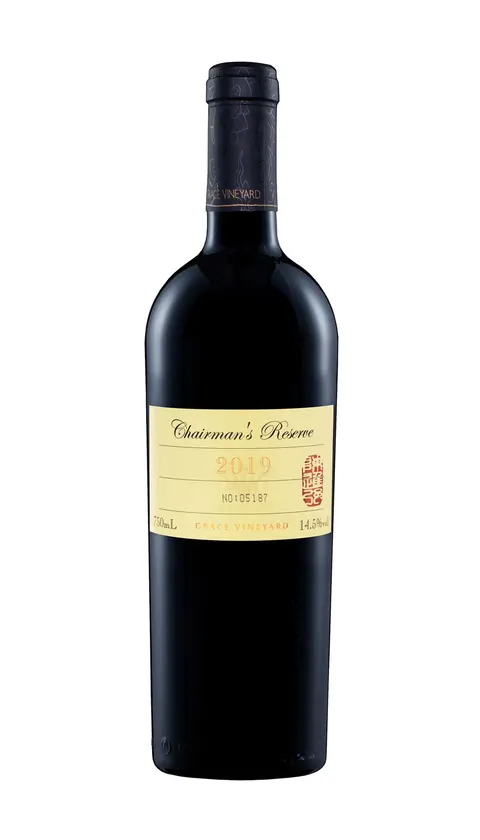
Not only European wine lovers, any wine lover: I would ask them to try our entry-level wines first, so you know our bottom line and our principles. Then try our best wines, Chairman's Reserve or Deep Blue, so you know where we can be.
Wine and food
Which dishes, Chinese or European, do you most enjoy with your wines?
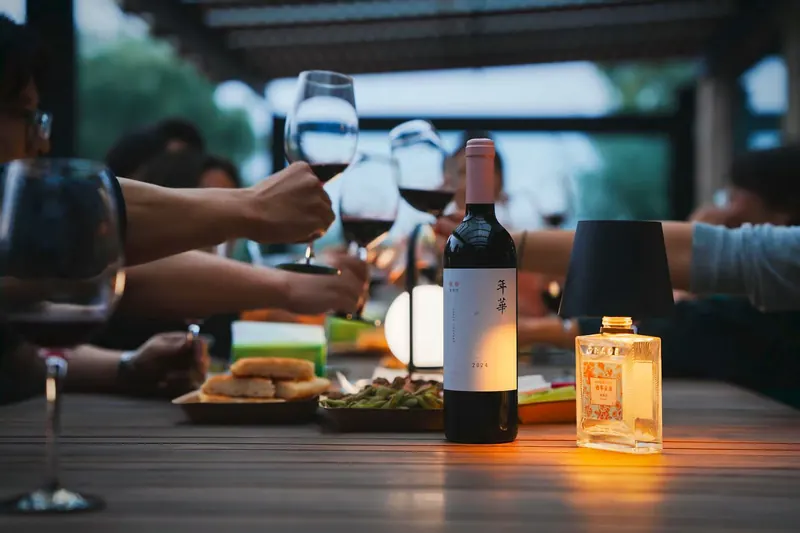
Shanxi is famous for its noodles, which are very similar to Italian pasta: many different shapes and different sauces, and the right wine depends on the sauce. Our wines are light and great with food. When eating noodles in Shanxi, I would choose Chardonnay if they are served with egg and tomato sauce, and Aglianico if they are served with minced pork and doubanjiang (fermented broad bean paste).
China and Europe
How has the perception of Chinese wine changed abroad in recent years?
I started at the winery at the end of 2002, and I travelled to Europe very often because I wanted to learn and to see how things were done. Back then, people were asking: are you going to flood our market with your wine, or are you going to buy our wineries? I think the perception of Chinese wine has changed a bit. A lot? I'm not sure.
In which European countries can readers find Grace Vineyard wines today?
We used to have an importer in the UK, and I'm talking to someone right now. Hopefully you will be able to find our wines in the UK again soon.
What is one thing you wish European wine lovers knew about Chinese wine?
That we actually make wine in China too.
Looking ahead
What are your plans and hopes for the next ten years?
I hope the market recovers. As you may know, the market has been quite difficult: since 2012–2013 volumes have kept falling. But I'm optimistic it will come back. I also hope the next generation of the team will take the lead. I've reached a point in life where I want to enjoy life! We now also make spirits, with our Dexi whisky and Angie gin, expanding beyond wine into other spirits. We send our wine barrels to age the whisky and the gin, and the other way round, we use bourbon barrels for our Shiraz. It's fun to see how the winery and the spirits teams work together.
Grace Vineyard is featured in our atlas of Chinese wine producers →
Want to taste Chinese wine in Europe? See where to find it →
Interview conducted in October 2026 and edited for length and clarity. Photos courtesy of Grace Vineyard.